
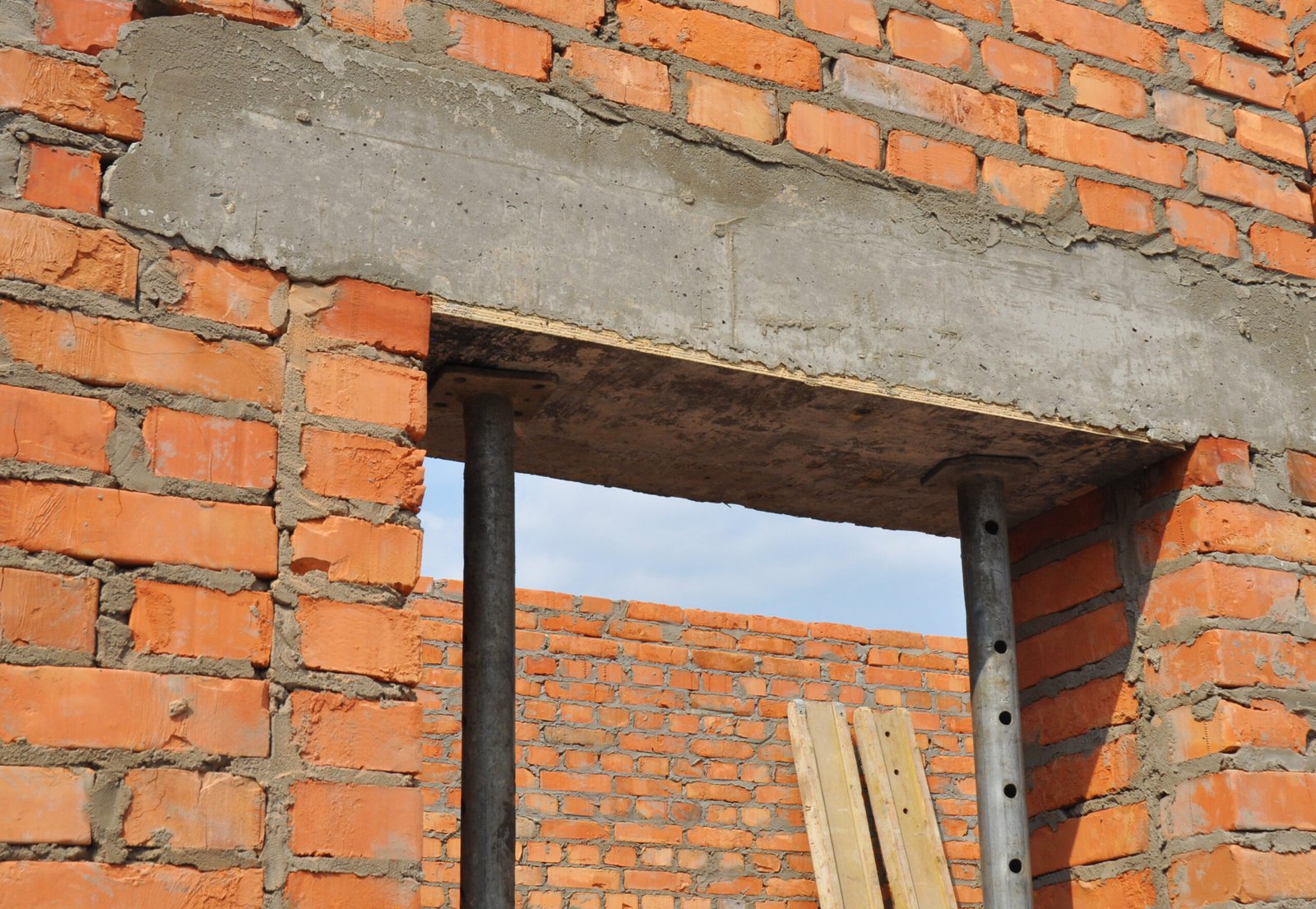
New York City’s architectural landscape is defined by its historic brownstones, cast-iron lofts, and ornate masonry buildings. However, the external features of these structures: specifically cornices, lintels, and sills: are constantly battling the city’s harsh climate and urban pollution. This comprehensive guide explores the intricate process of cornice, lintel and sill restoration NYC, covering everything from the identification of material failure like spalling and rust bursting to the specialized repair methods required by the Landmarks Preservation Commission (LPC). We delve into the structural importance of lintels, the aesthetic preservation of decorative cornices, and the critical role of window sills in water shedding. By understanding the inspection protocols, cost factors, and the necessity of hiring specialized masonry restoration NYC experts, building owners can ensure their properties remain safe, compliant with Department of Buildings (DOB) regulations, and historically preserved for decades to come. Introduction: Why Cornices, Lintels & Sills Matter in NYC The architectural grandeur of New York City lies in its historic facades, featuring everything from intricate Victorian cornices to sturdy brownstone lintels. These elements are not merely decorative; they serve as the building’s primary defense against the elements. Unfortunately, neglecting these features leads to significant risks, including water ingress that can rot internal timber frames and the dangerous phenomenon of falling masonry. In a city where pedestrian traffic is dense, a cracked sill or a loose cornice piece can lead to severe safety liabilities and costly landmark violations. This article provides a deep dive into historic building restoration NYC and explains why professional facade restoration services NYC are essential for maintaining both the value and safety of your property. What Are Cornices, Lintels and Window Sills? (Definitions & Materials) To understand restoration, one must first identify the components. A cornice is the decorative molding that crowns the top of a building, often made from cast iron, terra cotta, or even painted wood in older NYC structures. A lintel is the horizontal structural member that spans the top of a window or door opening, bearing the weight of the masonry above it. Sills are the ledges at the bottom of window openings designed to direct rainwater away from the facade. These components are crafted from various materials like natural brownstone, limestone, cast stone, and concrete. In the unique NYC climate, these materials age differently; for example, cast iron cornice repair focuses on oxidation control, while stone lintel repair or concrete window sill repair often addresses the internal expansion caused by the freeze-thaw cycle. Successful brownstone restoration NYC requires a deep understanding of how these porous materials breathe and react to urban pollutants. Typical Problems & Failure Modes The most common issues affecting NYC buildings stem from moisture and age. Cracking and spalling occur when water enters the pores of stone or concrete, freezes, and expands, eventually forcing the outer layer of the material to flake off. In the case of metal features, rusting (or “rust bursting”) of internal steel anchors can exert enough pressure to crack the surrounding masonry from the inside out. Furthermore, mortar loss in the joints around lintels and sills allows water to seep into the building’s core, leading to internal rot and mold. These aren’t just cosmetic issues; deteriorated window sill repair and cracked lintel repair are critical for public safety. If these “failure modes” are ignored, the Department of Buildings may issue unsafe designations, requiring immediate and expensive water damage masonry repair. Inspection & Assessment: How Professionals Evaluate Facades Before any physical work begins, a professional facade inspection NYC is mandatory. This process typically starts with a visual survey from the ground, followed by a close-range inspection using scaffolds or industrial rope access. Professionals perform “sounding” tests by tapping the masonry with a hammer to detect hollow spots that indicate internal separation. They also conduct moisture probes and finish analysis to determine the original color and composition of the materials. For buildings in historic districts, this stage includes coordinating with the Landmarks Preservation Commission (LPC) to ensure that the proposed landmark building restoration NYC plan adheres to preservation standards. Early detection through preventive masonry restoration can identify structural issues before they become life-safety hazards. Restoration Methods: Cornices The process of cornice restoration NYC varies significantly depending on the material. For decorative metal cornices, the restoration involves stripping decades of old lead paint, treating the underlying metal for rust, and applying high-performance primers. If the ornamentation is missing, craftsmen may create molds to cast replica pieces. For masonry or terra cotta cornices, the focus is on stabilizing the attachment points and using specialized patching compounds to repair aesthetic details. Every effort is made to conserve the original material, but when the internal support structure is compromised, workers must reinforce the area with stainless steel armatures. This detailed cornice repair process ensures the crown of the building remains secure and beautiful. Restoration Methods: Lintels Lintels are the workhorses of the facade, and their restoration is often a structural necessity. When a lintel shows signs of deep cracking or sagging, it may require “shoring”: the installation of temporary supports: while the repair is performed. Common lintel restoration NYC techniques include the installation of steel splice plates or the complete replacement of a rusted steel lintel with a new, galvanized version equipped with proper flashing. For stone lintels, masons often use “Jahn” mortar or similar breathable compounds to perform stone lintel repair, ensuring the patch matches the original stone’s texture and color. These structural masonry repairs are vital for preventing the collapse of the masonry layers above window openings. Restoration Methods: Window Sills Window sills are the first line of defense against water penetration at the window base. Window sill restoration NYC often involves correcting the “pitch” or slope of the sill to ensure water runs away from the building rather than pooling against the window frame. For concrete window sill repair, masons remove the deteriorated sections, treat any exposed rebar with anti-corrosion coatings, and pour new high-strength concrete. A critical detail in this process is the “drip groove”:
Why Facade and Surface Repair Matters for Building Longevity
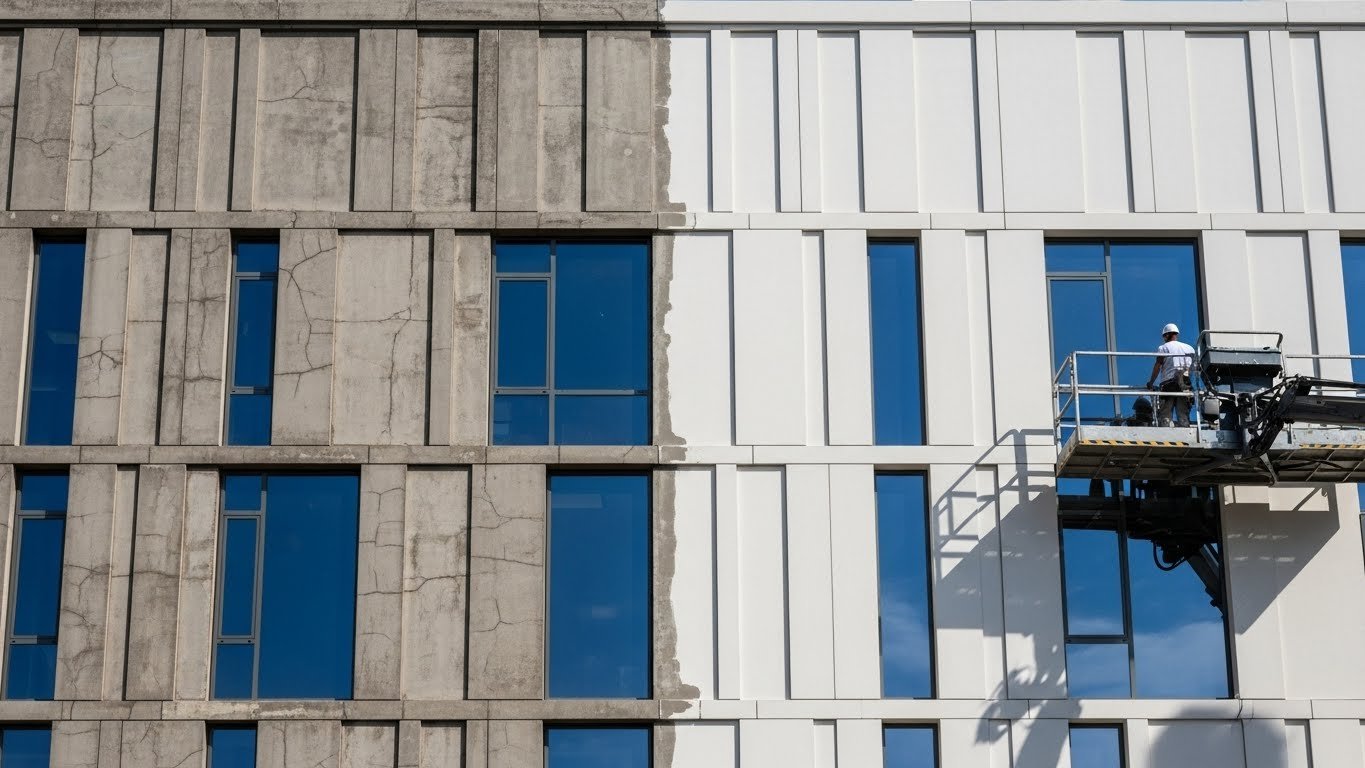
Maintaining the exterior of a structure is a fundamental aspect of property management that goes far beyond simple aesthetics; it is a critical investment in the building’s structural integrity, safety, and long-term financial value. This article explores the vital role of facade and surface repair in shielding a building from environmental degradation, preventing moisture-related failures, and ensuring the safety of both occupants and the public. By understanding the transition from minor surface repair to complex structural surface repair, and recognizing the importance of facade waterproofing and regular exterior building maintenance, property owners can extend the life of materials like brick, concrete, and stucco. Ultimately, timely intervention and professional facade maintenance services act as a preventative shield, transforming a vulnerable “building envelope” into a durable, long-lasting asset that retains its beauty and functionality for decades. Understanding Facade and Surface Repair What Is Facade Repair and Why It’s Essential The exterior skin of a building is its first line of defense against the elements. Facade repair encompasses a wide range of activities aimed at maintaining this exterior layer to prevent environmental damage from reaching the core of the structure. It is essential because, over time, every building faces wear and tear that can lead to hazardous conditions if left unchecked. Engaging in building facade restoration ensures that the architectural intent remains intact while the physical materials are reinforced against the passage of time. Without this essential care, the building becomes susceptible to accelerated aging and costly failures. Difference Between Surface Repair and Structural Surface Repair It is important to distinguish between cosmetic fixes and deeper interventions. Standard surface repair typically addresses the outermost layer of the building, such as fixing minor chips or refreshing the paint to improve the look of the property. In contrast, structural surface repair is a more intensive process that involves fixing damage that penetrates deep into the masonry or concrete, potentially affecting the building’s load-bearing capabilities. While the former focuses on the “skin,” the latter focuses on the “bones,” and both are necessary components of a comprehensive maintenance plan. How Building Facades Protect the Entire Structure Role of the Building Envelope in Longevity The building envelope acts as a physical separator between the conditioned interior and the unpredictable exterior environment. Effective building envelope repair is critical for maintaining this barrier, as any breach can lead to energy loss and structural decay. By prioritizing facade sealing, owners can ensure that the envelope remains airtight and watertight, which significantly contributes to the overall longevity of the structure by keeping internal components dry and stable. Impact of Weather and Environmental Exposure Buildings are constantly bombarded by rain, wind, UV rays, and temperature fluctuations. Over time, this exposure leads to erosion and material fatigue, necessitating professional weather damage repair. To mitigate these effects, applying a high-quality exterior surface treatment can act as a shield, reflecting harmful rays and preventing corrosive pollutants from settling into the pores of the building materials. Common Signs That Your Facade and Surfaces Need Repair Visible Cracks, Chips, and Surface Deterioration One of the most obvious indicators that a building needs attention is the appearance of cracks or chips on the walls. Facade crack repair should be prioritized as soon as these issues are spotted, as cracks are often the entry point for water and pests. Left alone, these minor flaws evolve into widespread surface deterioration repair projects, where large sections of the exterior may need to be stripped and rebuilt to restore the building’s health. Water Infiltration and Moisture Damage Moisture is perhaps the single greatest threat to building durability. When water penetrates the exterior, it causes rot, mold, and the rusting of internal steel reinforcements. Implementing robust facade waterproofing measures is the best way to combat this. If signs of dampness appear inside the building, an immediate exterior wall repair is required to identify the source of the leak and seal the entry points before the damage becomes irreversible. Aging Materials and Material Failure All building materials have a finite lifespan, and as they age, they naturally begin to fail. This is particularly true for traditional finishes, where plaster repair or stucco repair becomes necessary to fix bubbling, cracking, or falling sections. Recognizing when a material has reached the end of its functional life is key to performing a successful restoration rather than a temporary patch job. Importance of Timely Exterior Wall and Surface Repair Preventing Minor Issues from Becoming Structural Problems Proactive maintenance is significantly more cost-effective than reactive repairs. By addressing a small crack through concrete crack repair or performing minor masonry repair, you prevent water from reaching the rebar and causing “concrete spalling.” Once the internal structure is compromised, the repair process becomes much more invasive and expensive, highlighting the value of early detection. Enhancing Safety for Occupants and Pedestrians A deteriorating facade is a significant liability. Loose bricks or falling pieces of concrete pose a direct threat to people walking below. Professional architectural surface repair ensures that all decorative and functional elements are securely fastened to the structure. This not only protects the occupants but also shields the property owner from legal issues related to falling debris. Types of Facade and Surface Repair Services The methodology for repair varies greatly depending on the material of the building. For instance, brick facade repair often involves repointing the mortar joints to ensure the wall remains stable and dry. Similarly, masonry repair focuses on replacing damaged stones or bricks that have succumbed to the elements. For modern structures, concrete surface repair and structural surface repair are vital to maintaining the strength of the building’s frame. Furthermore, specialized plaster repair and stucco repair services are utilized to restore the smooth, protective finish of the exterior walls, ensuring that the building remains aesthetically pleasing and weather-resistant. Residential vs Commercial Facade Repair Needs Residential Facade Repair – Homes & Apartments In the residential sector, the focus is often on preserving the comfort and value of the home. Residential facade repair usually involves fixing leaks and improving
Common Signs Your Brownstone Needs Immediate Repair
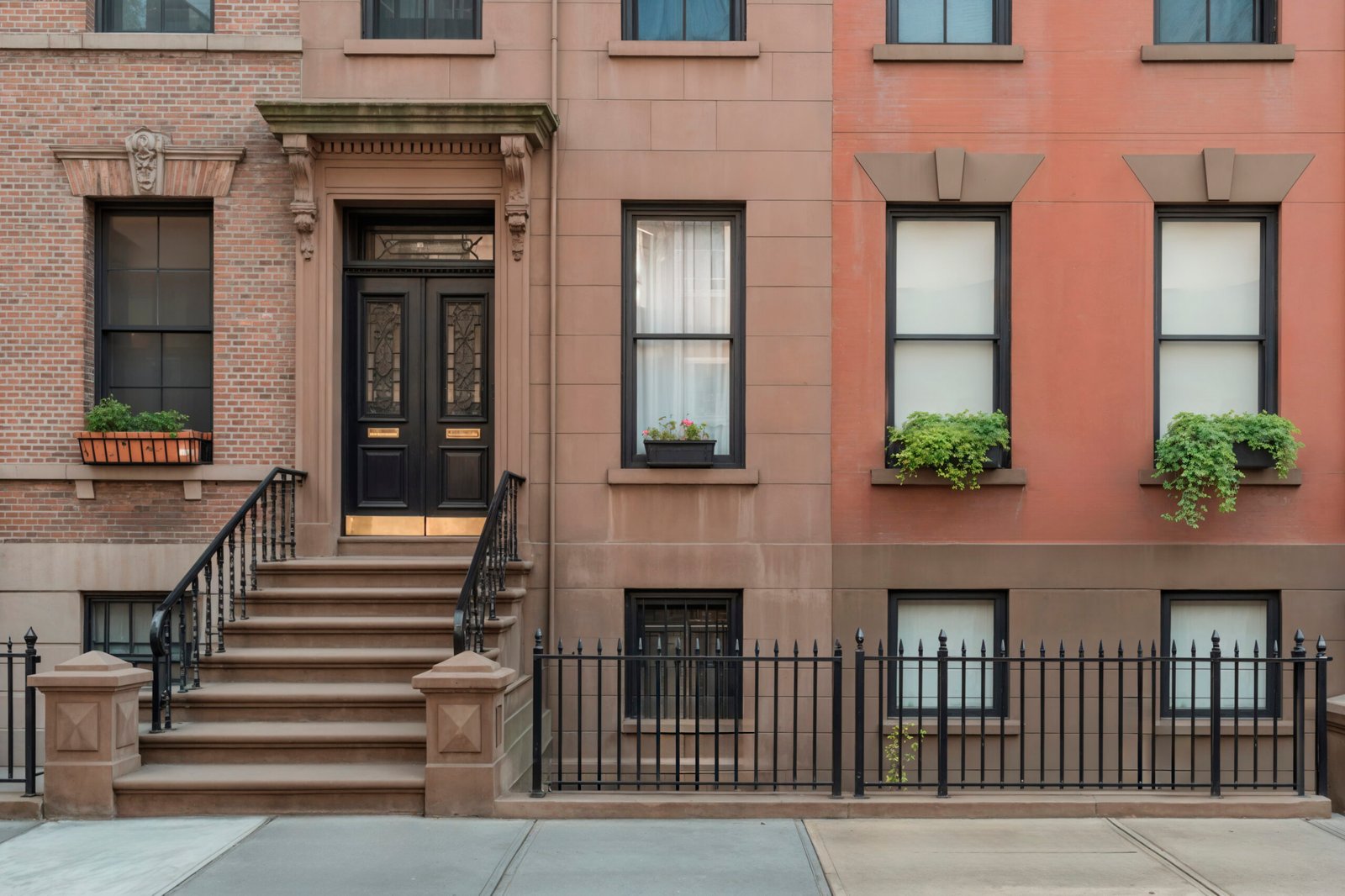
New York City’s historic brownstones are much more than just residential buildings. They are architectural treasures that define the visual heritage of the city. However the soft sandstone composition that gives them their iconic look also makes them incredibly susceptible to environmental wear and structural fatigue. This guide explores the critical indicators that your property requires urgent professional intervention. These signs range from surface spalling and deep structural cracks to water infiltration foundation shifts and deteriorating stoops. Recognizing these early warning signs is essential for every homeowner to prevent catastrophic failures and ensure public safety while avoiding the exorbitant costs associated with neglected historic masonry. Why Brownstones in New York Deteriorate Over Time The primary adversary of New York City brownstones is the local climate itself. Intense weather exposure and freeze thaw cycles allow moisture to penetrate the porous sandstone. When this water freezes it expands with incredible force causing the stone to rupture from within. Furthermore the relentless pollution and moisture effect found in an urban environment chemically weakens the stone surface over time. Because these buildings often feature old construction materials and a lack of consistent upkeep they become increasingly fragile as the decades pass. Understanding these historic brownstone repair indicators is the first step in preserving the structural legacy of these iconic homes. Early Warning Signs Your Brownstone Needs Repair Homeowners must learn to distinguish between visible and hidden damage. Often a stone surface may appear intact to the naked eye yet a simple tap test by a professional reveals a hollow sound. This indicates that the face of the stone has detached from the backup masonry. In the context of brownstone damage warning signs NYC even minor hairline fractures or subtle changes in stone texture can signal deep seated moisture issues. When a minor issue is ignored it can rapidly escalate into a full scale emergency that threatens the entire building envelope. Structural Repair Indicators You Should Never Ignore Not all cracks are created equal and it is vital to understand the difference between hairline and structural cracks. While hairline cracks might be cosmetic or related to minor expansion any fissure wider than a quarter inch or those running diagonally are significant brownstone structural repair indicators. These often stem from settlement and load issues or shifting soil which can compromise the entire building stability if not professionally braced or repaired. Another critical concern is the appearance of bowing or leaning walls. If a facade wall appears to be bulging or leaning outward it is a sign that the exterior masonry is pulling away from the floor joists or the internal structure. This structural instability is a major NYC safety concern. A leaning wall is at high risk of partial or total collapse making it one of the most urgent signs that immediate intervention is required to stabilize the property and protect those nearby. Brownstone Cracking and Spalling Signs The decay process known as spalling occurs when water trapped behind the stone surface layers causes the face to flake off in sheets. Brownstone cracking and spalling signs usually begin as small patches but can quickly spread across the entire facade. If left untreated the protective outer layer of the stone is lost and this exposes the softer interior to even faster rates of erosion and permanent damage. Finding fragments of stone on the sidewalk is a critical red flag that should never be ignored. This creates immediate pedestrian safety risks and places the owner at a high risk for NYC violations and heavy fines from the Department of Buildings. Falling debris is the most visible sign that the facade bond has failed and that the building has become a public hazard. Brownstone Facade Repair Signs Brownstone masonry deterioration symptoms often manifest as the melting of ornate carvings and cornices. During a visual inspection if the stone feels sandy or sugary to the touch it means the natural binders in the sandstone have dissolved. This erosion not only destroys the building aesthetic value but also creates pathways for water to saturate the masonry core. Gaps appearing between the large blocks of stone indicate that the mortar has washed away or the stones themselves are shifting. This is a clear structural weakening signal as the stones are no longer properly supported or sealed against the elements. These gaps allow the wind and rain to enter the building skin leading to further internal decay that is much harder to fix later on. Brownstone Water Damage Signs The danger of hidden leaks often manifests inside the home before the exterior damage looks severe. If you notice yellow or brown stains on your interior plaster or bubbling paint these are classic brownstone water damage signs. This indicates that water is successfully migrating through the exterior stone and into your living space where it can cause wood rot and weaken the floor joists. The appearance of a white powdery substance on the walls known as efflorescence is caused by salt deposits left behind as moisture evaporates. This moisture movement is often accompanied by mold growth. Mold not only damages the building materials but also poses significant indoor air quality concerns. This affects the health of the residents and makes the living environment uncomfortable. Brownstone Foundation Problem Signs If you notice that your floors are no longer level or that doors and windows are suddenly sticking in their frames you are likely facing foundation settlement issues. These brownstone foundation problem signs suggest that the building footprint is shifting which can lead to catastrophic structural failure if the underlying cause is not addressed by a specialist. Furthermore cracks in the basement slab or walls especially when combined with persistent dampness represent long term structural risks. Foundation moisture can erode the very base upon which the brownstone sits. This leads to expensive and complex stabilization requirements that far exceed the cost of early preventive repairs. Brownstone Stoop Damage Warning Signs The stoop is a high traffic area that bears significant weight every single day. Due
How much does it cost to renovate a brownstone NYC?
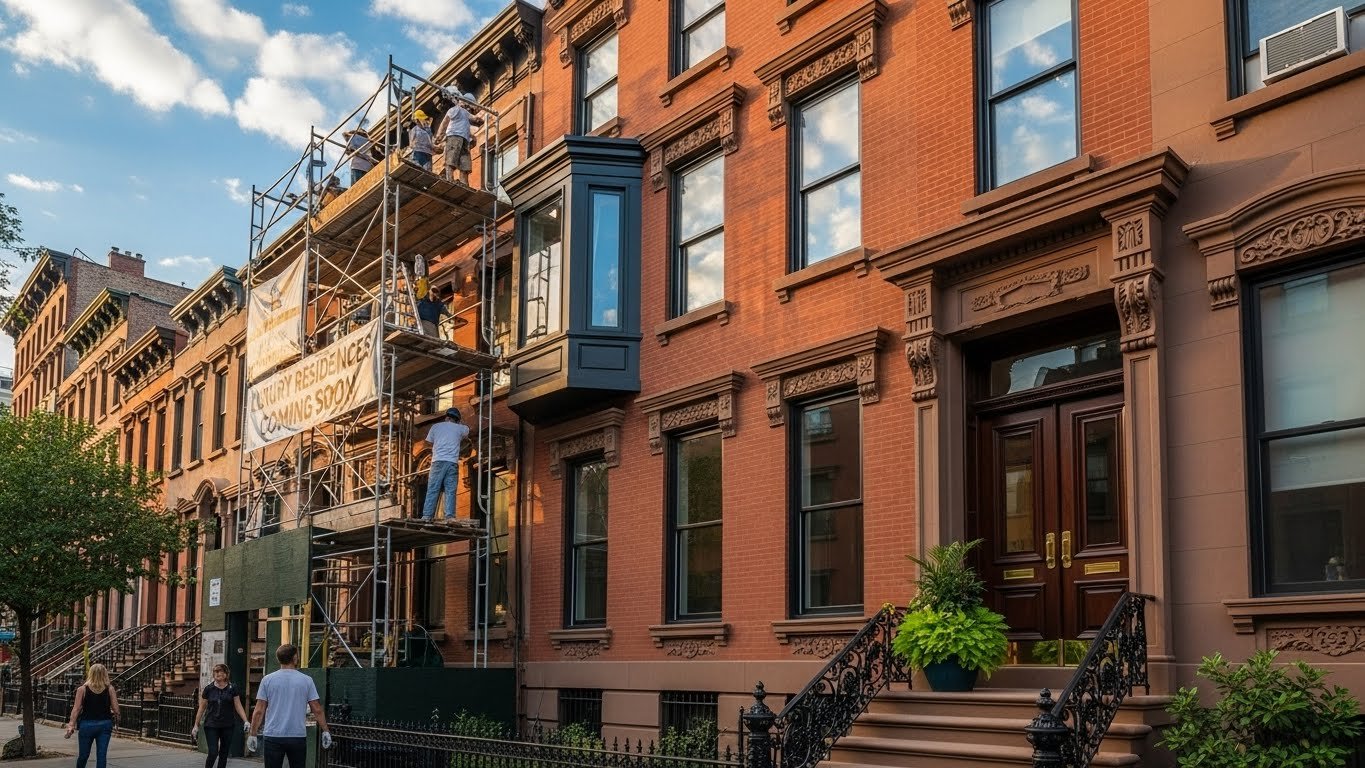
Renovating a brownstone in New York City is a complex orchestration of historical preservation, modern engineering, and meticulous financial planning. For many homeowners, the initial challenge lies in bridging the gap between the aesthetic vision of a restored 19th‑century facade and the logistical reality of New York’s construction market. Understanding the NYC brownstone renovation cost requires more than a simple estimate; it demands a deep dive into the structural, regulatory, and artisanal factors that define these iconic properties. This guide provides a professional breakdown of what it truly takes to revitalize a brownstone, ensuring your investment is both protected and maximized. What Makes Brownstone Renovations in NYC Unique? To accurately project the average cost to renovate a brownstone in New York City, one must first respect the architectural DNA of the building. Brownstones were typically constructed between the 1840s and 1890s, using materials and methods that have largely been phased out of modern residential construction. Historic construction and material science The core of a brownstone is typically load‑bearing masonry. Unlike modern steel‑frame or stick‑built homes, these structures rely on the integrity of their brick and mortar. We often find that historic brownstone renovation pricing is influenced heavily by the need for material compatibility. For example, using modern Portland cement for “pointing” (repairing the mortar joints) is a common but grave mistake; it is too rigid for the soft, porous sandstone, leading to internal pressure and “spalling” — where the stone face actually shears off. Professionals utilize lime‑based mortars that allow the building to breathe and shift naturally with the seasons. The landmark and zoning regulatory framework A significant portion of the landmark brownstone renovation cost is attributed to the Landmarks Preservation Commission (LPC). If your property resides in a historic district, every exterior change — from the curve of the mahogany window sashes to the specific pigment of the facade — must be approved. This regulatory oversight necessitates the hiring of architects and expediters who specialize in LPC filings, adding both time and soft costs (often 15–25% of total budget) to your project. Average Cost to Renovate a Brownstone in New York City When evaluating the financial scope of a project, it helps to categorize work into three distinct tiers. Each tier reflects a different level of intervention, scope, and cost, and in many real projects these apply to part or all of the building depending on square footage touched. Defining the budgetary tiers 1. Cosmetic / surface level (typically partial‑scope)This focuses on high‑impact visual changes without altering the building’s footprint or “bones.” It may include floor refinishing, selective plaster repair, painting, high‑end millwork, and lighting upgrades on one or more floors rather than the entire building. Typical budget for partial cosmetic work in a brownstone starts around $200,000 – $350,000, with full‑house cosmetic upgrades often pushing higher depending on total square footage. 2. Structural and system modernization (often multi‑floor but not always full gut)This tier involves updating the “wet” areas — kitchens and bathrooms — while overhauling outdated mechanical, electrical, and plumbing (MEP) systems in significant portions of the house. For many NYC brownstones, this kind of modernization can range from $400,000 – $800,000 when applied to select floors or a majority of the interior, while a full‑building structural and systems overhaul will often trend closer to the gut‑renovation ranges below. 3. The full restoration / gut renovationA brownstone gut renovation NYC cost reflects a total overhaul of the building. This includes stripping interiors to the joists, replacing all plumbing stacks, installing modern HVAC systems (such as VRF or multi‑split units), comprehensive electrical upgrades, new bathrooms and kitchen(s), and a full facade restoration. For a typical multi‑story brownstone, full‑scope projects commonly fall in the $1,000,000 – $2,500,000+ range depending on finishes and structural complexity, which aligns with widely cited $600–$800+ per square foot gut‑renovation benchmarks in NYC. Brownstone Renovation Cost Per Square Foot in NYC On a unit basis, the brownstone renovation cost per square foot in NYC typically ranges from about $300 to $650+. The lower end is common for mid‑level or partial renovations, while full‑scope gut projects with new systems and high‑quality finishes often land in the $600–$800+ per square foot bracket, with ultra‑luxury work sometimes exceeding $900 per square foot. The higher end of this spectrum is reserved for projects involving structural steel reinforcement, cellar digging (underpinning), stair rebuilding, or high‑end custom finishes like hand‑carved plaster moldings, imported stone, and bespoke millwork. Key Factors That Affect Brownstone Renovation Costs 1. Scope and structural stability The most significant variable in brownstone construction cost New York is the condition of the joist pockets and load‑bearing walls. Over a century or more, water infiltration can rot the ends of wooden floor joists where they meet the masonry. Repairing these “pockets,” sistering joists, or installing new beams requires temporary shoring of the structure — a labor‑intensive process that can add $50,000 or more to a structural budget, especially when multiple floors are affected. 2. Brownstone interior renovation cost: modernity vs. tradition Balancing the brownstone interior renovation cost involves choosing between preserving original details (like pier mirrors, ceiling medallions, and pocket doors) and installing modern conveniences. Integrating a central air conditioning system or high‑efficiency HVAC often requires creative soffit work or furring out walls to hide ductwork and linesets without sacrificing the building’s soaring ceiling heights, which in turn increases labor and finish costs. 3. Facade and exterior maintenance Brownstone facade renovation in NYC is a specialized trade. It typically involves raking out old, failing mortar to a proper depth before reapplying compatible mortar, repairing or rebuilding deteriorated stone, and sometimes stripping previous “slurry” or coating layers. A full facade restoration may require applying a new, multi‑layered brownstone cement mix that mimics the original stone’s texture and color while remaining breathable. Similarly, the exterior brownstone restoration cost must account for safety measures such as scaffolding and sidewalk sheds. For larger or taller buildings subject to Local Law 11 or similar safety requirements, scaffolding and shed rental alone can run roughly $10,000 to $30,000+ depending on height, duration, and site conditions. Townhouse Renovation Cost NYC vs. Brownstones While the terms “townhouse” and “brownstone” are often used interchangeably, there is usually a distinction in