
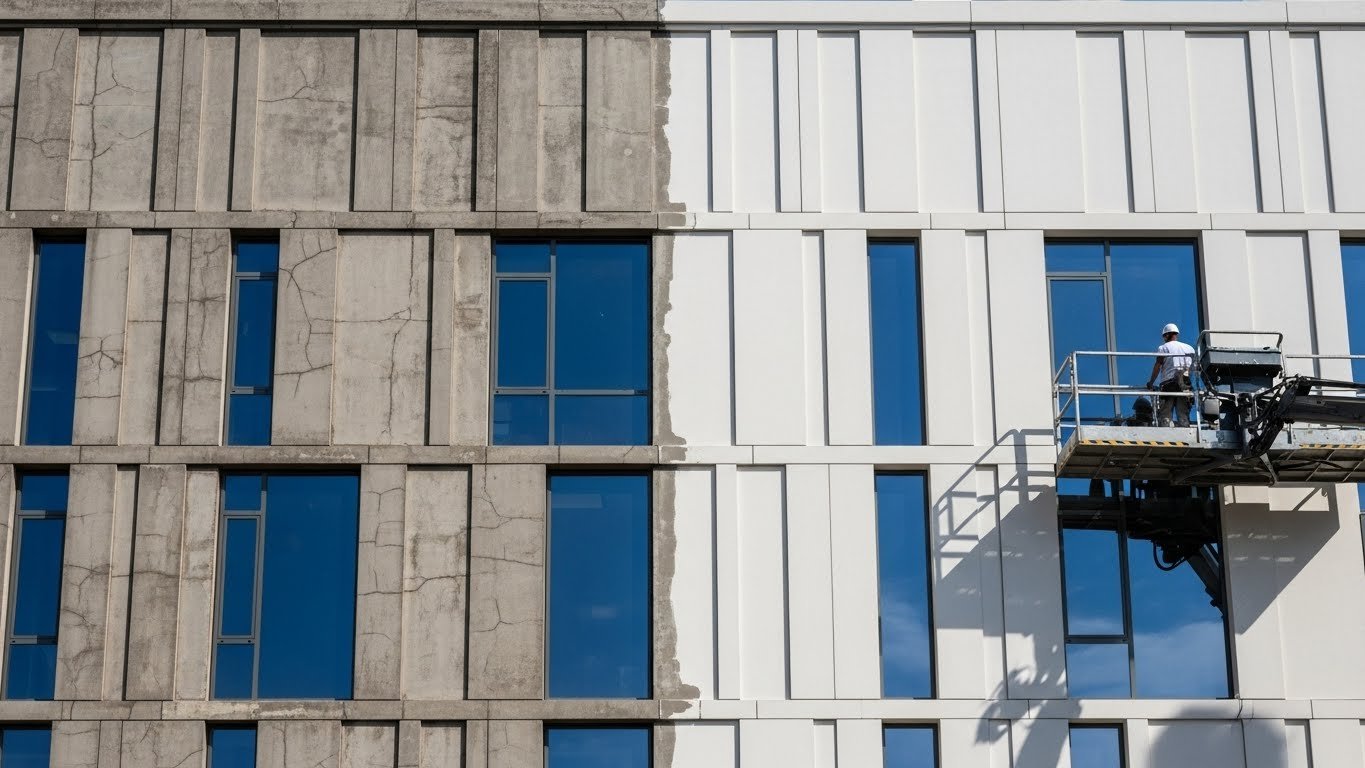
Maintaining the exterior of a structure is a fundamental aspect of property management that goes far beyond simple aesthetics; it is a critical investment in the building’s structural integrity, safety, and long-term financial value. This article explores the vital role of facade and surface repair in shielding a building from environmental degradation, preventing moisture-related failures, and ensuring the safety of both occupants and the public. By understanding the transition from minor surface repair to complex structural surface repair, and recognizing the importance of facade waterproofing and regular exterior building maintenance, property owners can extend the life of materials like brick, concrete, and stucco. Ultimately, timely intervention and professional facade maintenance services act as a preventative shield, transforming a vulnerable “building envelope” into a durable, long-lasting asset that retains its beauty and functionality for decades.
Understanding Facade and Surface Repair
What Is Facade Repair and Why It’s Essential
The exterior skin of a building is its first line of defense against the elements. Facade repair encompasses a wide range of activities aimed at maintaining this exterior layer to prevent environmental damage from reaching the core of the structure. It is essential because, over time, every building faces wear and tear that can lead to hazardous conditions if left unchecked. Engaging in building facade restoration ensures that the architectural intent remains intact while the physical materials are reinforced against the passage of time. Without this essential care, the building becomes susceptible to accelerated aging and costly failures.
Difference Between Surface Repair and Structural Surface Repair
It is important to distinguish between cosmetic fixes and deeper interventions. Standard surface repair typically addresses the outermost layer of the building, such as fixing minor chips or refreshing the paint to improve the look of the property. In contrast, structural surface repair is a more intensive process that involves fixing damage that penetrates deep into the masonry or concrete, potentially affecting the building’s load-bearing capabilities. While the former focuses on the “skin,” the latter focuses on the “bones,” and both are necessary components of a comprehensive maintenance plan.
How Building Facades Protect the Entire Structure
Role of the Building Envelope in Longevity
The building envelope acts as a physical separator between the conditioned interior and the unpredictable exterior environment. Effective building envelope repair is critical for maintaining this barrier, as any breach can lead to energy loss and structural decay. By prioritizing facade sealing, owners can ensure that the envelope remains airtight and watertight, which significantly contributes to the overall longevity of the structure by keeping internal components dry and stable.
Impact of Weather and Environmental Exposure
Buildings are constantly bombarded by rain, wind, UV rays, and temperature fluctuations. Over time, this exposure leads to erosion and material fatigue, necessitating professional weather damage repair. To mitigate these effects, applying a high-quality exterior surface treatment can act as a shield, reflecting harmful rays and preventing corrosive pollutants from settling into the pores of the building materials.
Common Signs That Your Facade and Surfaces Need Repair
Visible Cracks, Chips, and Surface Deterioration
One of the most obvious indicators that a building needs attention is the appearance of cracks or chips on the walls. Facade crack repair should be prioritized as soon as these issues are spotted, as cracks are often the entry point for water and pests. Left alone, these minor flaws evolve into widespread surface deterioration repair projects, where large sections of the exterior may need to be stripped and rebuilt to restore the building’s health.
Water Infiltration and Moisture Damage
Moisture is perhaps the single greatest threat to building durability. When water penetrates the exterior, it causes rot, mold, and the rusting of internal steel reinforcements. Implementing robust facade waterproofing measures is the best way to combat this. If signs of dampness appear inside the building, an immediate exterior wall repair is required to identify the source of the leak and seal the entry points before the damage becomes irreversible.
Aging Materials and Material Failure
All building materials have a finite lifespan, and as they age, they naturally begin to fail. This is particularly true for traditional finishes, where plaster repair or stucco repair becomes necessary to fix bubbling, cracking, or falling sections. Recognizing when a material has reached the end of its functional life is key to performing a successful restoration rather than a temporary patch job.
Importance of Timely Exterior Wall and Surface Repair
Preventing Minor Issues from Becoming Structural Problems
Proactive maintenance is significantly more cost-effective than reactive repairs. By addressing a small crack through concrete crack repair or performing minor masonry repair, you prevent water from reaching the rebar and causing “concrete spalling.” Once the internal structure is compromised, the repair process becomes much more invasive and expensive, highlighting the value of early detection.
Enhancing Safety for Occupants and Pedestrians
A deteriorating facade is a significant liability. Loose bricks or falling pieces of concrete pose a direct threat to people walking below. Professional architectural surface repair ensures that all decorative and functional elements are securely fastened to the structure. This not only protects the occupants but also shields the property owner from legal issues related to falling debris.
Types of Facade and Surface Repair Services
The methodology for repair varies greatly depending on the material of the building. For instance, brick facade repair often involves repointing the mortar joints to ensure the wall remains stable and dry. Similarly, masonry repair focuses on replacing damaged stones or bricks that have succumbed to the elements.
For modern structures, concrete surface repair and structural surface repair are vital to maintaining the strength of the building’s frame. Furthermore, specialized plaster repair and stucco repair services are utilized to restore the smooth, protective finish of the exterior walls, ensuring that the building remains aesthetically pleasing and weather-resistant.
Residential vs Commercial Facade Repair Needs
Residential Facade Repair – Homes & Apartments
In the residential sector, the focus is often on preserving the comfort and value of the home. Residential facade repair usually involves fixing leaks and improving the home’s appearance through facade maintenance services. These efforts ensure that apartments and houses remain safe environments for families while protecting the owner’s investment.
Commercial Facade Repair – Offices & High-Rise Buildings
Commercial properties, particularly high-rises, face unique challenges such as high wind loads and difficult access. Commercial facade repair requires specialized equipment and trained technicians to perform exterior building maintenance at great heights. Keeping a commercial facade in top condition is also essential for maintaining a professional corporate image and ensuring tenant satisfaction.
How Facade Repair Improves Building Longevity
Extending the Life of Exterior Materials
Every time a building undergoes facade refurbishment, its lifespan is effectively reset. By cleaning, repairing, and resealing the exterior, you prevent the natural process of decay from taking hold. This wall surface restoration ensures that the original materials continue to perform their function for many more years than they would if left neglected.
Increasing Property Value and Curb Appeal
A well-maintained building is a valuable building. Consistent exterior building maintenance ensures that the property always looks its best, which is a major factor in “curb appeal.” Whether you are looking to sell the property or attract high-quality tenants, a pristine facade serves as a testament to the overall quality and care of the building.
The Role of Waterproofing and Sealing in Facade Protection
Facade waterproofing is not just an optional add-on; it is a critical requirement for any long-term maintenance strategy. By applying high-quality facade sealing, you create an invisible barrier that prevents liquid water from entering while often allowing the building to “breathe.” This protection is a core part of building envelope repair, as it prevents the hidden structural damage that usually occurs when moisture is trapped inside a wall system.
Long-Term Cost Benefits of Facade and Surface Repair
When comparing the surface repair vs full replacement concept, the financial benefits of regular maintenance are undeniable. A full facade replacement is a massive capital expense that can disrupt building operations for months. In contrast, periodic weather damage repair and surface touch-ups are manageable operating expenses that prevent the need for such drastic measures. By avoiding expensive emergency repairs, owners can allocate their budgets more predictably and effectively.
Professional Facade Maintenance Services vs DIY Repairs
While DIY projects are popular, architectural surface repair on a building facade is a task best left to experts. Improperly applied sealants or the wrong mortar mix can actually trap moisture inside the wall, leading to faster deterioration. The benefits of hiring professional facade maintenance services include access to industrial-grade materials, specialized safety equipment, and the peace of mind that the repairs are compliant with local building codes.
Best Practices for Ongoing Exterior Building Maintenance
To ensure the best results, property managers should implement a schedule of regular inspections and preventive exterior building maintenance. This involves checking for new cracks after extreme weather events and ensuring that drainage systems are clear. Additionally, applying a seasonal exterior surface treatment can help the building cope with specific regional challenges, such as heavy snow or intense summer heat, keeping the surface resilient year-round.
How to Choose the Right Facade and Surface Repair Contractor
Choosing the right partner for building facade restoration is a decision that impacts the building’s future for years. Look for contractors who have a proven track record, carry the necessary insurance, and prioritize safety standards. It is also vital that the contractor understands local building codes and compliance regulations to ensure that all repair work is legal and meets the required engineering benchmarks.
Conclusion
In conclusion, facade and surface repair is the most effective way to safeguard a building against the inevitable forces of nature and time. By staying proactive with maintenance, addressing moisture issues immediately, and employing professional services for both cosmetic and structural needs, you ensure that your building remains a safe, beautiful, and valuable asset. Investing in your facade today is the best way to guarantee the longevity of your structure for the future.
Optional FAQ Section
How often should facade and surface repairs be done?
Generally, a professional inspection should be conducted every 3 to 5 years. However, minor maintenance and cleaning should be performed annually to catch small issues before they escalate.
Can facade cracks lead to structural damage?
Yes. Even small cracks allow water to seep into the building’s core. This moisture can cause the internal steel reinforcement to rust and expand, which eventually leads to major structural failure.
Is facade repair necessary for old buildings only?
Not at all. While older buildings require more frequent building facade restoration, newer buildings need regular sealing and maintenance to prevent the aging process from starting prematurely.
What is the lifespan of repaired exterior surfaces?
The lifespan depends on the quality of the repair. A professional job using high-grade materials can last between 10 to 20 years, whereas a temporary patch may only last a couple of seasons.