
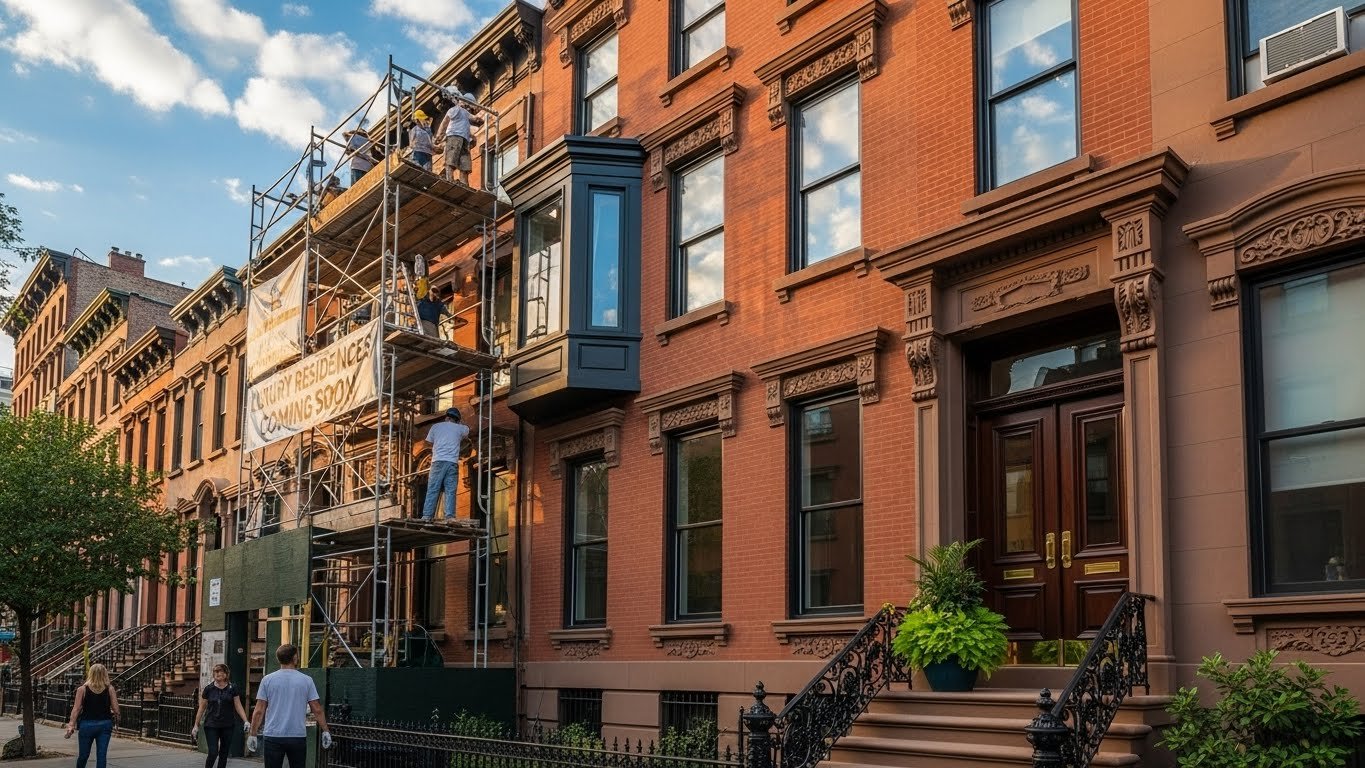
Renovating a brownstone in New York City is a complex orchestration of historical preservation, modern engineering, and meticulous financial planning. For many homeowners, the initial challenge lies in bridging the gap between the aesthetic vision of a restored 19th‑century facade and the logistical reality of New York’s construction market. Understanding the NYC brownstone renovation cost requires more than a simple estimate; it demands a deep dive into the structural, regulatory, and artisanal factors that define these iconic properties. This guide provides a professional breakdown of what it truly takes to revitalize a brownstone, ensuring your investment is both protected and maximized.
What Makes Brownstone Renovations in NYC Unique?
To accurately project the average cost to renovate a brownstone in New York City, one must first respect the architectural DNA of the building. Brownstones were typically constructed between the 1840s and 1890s, using materials and methods that have largely been phased out of modern residential construction.
Historic construction and material science
The core of a brownstone is typically load‑bearing masonry. Unlike modern steel‑frame or stick‑built homes, these structures rely on the integrity of their brick and mortar. We often find that historic brownstone renovation pricing is influenced heavily by the need for material compatibility. For example, using modern Portland cement for “pointing” (repairing the mortar joints) is a common but grave mistake; it is too rigid for the soft, porous sandstone, leading to internal pressure and “spalling” — where the stone face actually shears off. Professionals utilize lime‑based mortars that allow the building to breathe and shift naturally with the seasons.
The landmark and zoning regulatory framework
A significant portion of the landmark brownstone renovation cost is attributed to the Landmarks Preservation Commission (LPC). If your property resides in a historic district, every exterior change — from the curve of the mahogany window sashes to the specific pigment of the facade — must be approved. This regulatory oversight necessitates the hiring of architects and expediters who specialize in LPC filings, adding both time and soft costs (often 15–25% of total budget) to your project.
Average Cost to Renovate a Brownstone in New York City
When evaluating the financial scope of a project, it helps to categorize work into three distinct tiers. Each tier reflects a different level of intervention, scope, and cost, and in many real projects these apply to part or all of the building depending on square footage touched.
Defining the budgetary tiers
1. Cosmetic / surface level (typically partial‑scope)
This focuses on high‑impact visual changes without altering the building’s footprint or “bones.” It may include floor refinishing, selective plaster repair, painting, high‑end millwork, and lighting upgrades on one or more floors rather than the entire building. Typical budget for partial cosmetic work in a brownstone starts around $200,000 – $350,000, with full‑house cosmetic upgrades often pushing higher depending on total square footage.
2. Structural and system modernization (often multi‑floor but not always full gut)
This tier involves updating the “wet” areas — kitchens and bathrooms — while overhauling outdated mechanical, electrical, and plumbing (MEP) systems in significant portions of the house. For many NYC brownstones, this kind of modernization can range from $400,000 – $800,000 when applied to select floors or a majority of the interior, while a full‑building structural and systems overhaul will often trend closer to the gut‑renovation ranges below.
3. The full restoration / gut renovation
A brownstone gut renovation NYC cost reflects a total overhaul of the building. This includes stripping interiors to the joists, replacing all plumbing stacks, installing modern HVAC systems (such as VRF or multi‑split units), comprehensive electrical upgrades, new bathrooms and kitchen(s), and a full facade restoration. For a typical multi‑story brownstone, full‑scope projects commonly fall in the $1,000,000 – $2,500,000+ range depending on finishes and structural complexity, which aligns with widely cited $600–$800+ per square foot gut‑renovation benchmarks in NYC.
Brownstone Renovation Cost Per Square Foot in NYC
On a unit basis, the brownstone renovation cost per square foot in NYC typically ranges from about $300 to $650+. The lower end is common for mid‑level or partial renovations, while full‑scope gut projects with new systems and high‑quality finishes often land in the $600–$800+ per square foot bracket, with ultra‑luxury work sometimes exceeding $900 per square foot.
The higher end of this spectrum is reserved for projects involving structural steel reinforcement, cellar digging (underpinning), stair rebuilding, or high‑end custom finishes like hand‑carved plaster moldings, imported stone, and bespoke millwork.
Key Factors That Affect Brownstone Renovation Costs
1. Scope and structural stability
The most significant variable in brownstone construction cost New York is the condition of the joist pockets and load‑bearing walls. Over a century or more, water infiltration can rot the ends of wooden floor joists where they meet the masonry. Repairing these “pockets,” sistering joists, or installing new beams requires temporary shoring of the structure — a labor‑intensive process that can add $50,000 or more to a structural budget, especially when multiple floors are affected.
2. Brownstone interior renovation cost: modernity vs. tradition
Balancing the brownstone interior renovation cost involves choosing between preserving original details (like pier mirrors, ceiling medallions, and pocket doors) and installing modern conveniences. Integrating a central air conditioning system or high‑efficiency HVAC often requires creative soffit work or furring out walls to hide ductwork and linesets without sacrificing the building’s soaring ceiling heights, which in turn increases labor and finish costs.
3. Facade and exterior maintenance
Brownstone facade renovation in NYC is a specialized trade. It typically involves raking out old, failing mortar to a proper depth before reapplying compatible mortar, repairing or rebuilding deteriorated stone, and sometimes stripping previous “slurry” or coating layers. A full facade restoration may require applying a new, multi‑layered brownstone cement mix that mimics the original stone’s texture and color while remaining breathable.
Similarly, the exterior brownstone restoration cost must account for safety measures such as scaffolding and sidewalk sheds. For larger or taller buildings subject to Local Law 11 or similar safety requirements, scaffolding and shed rental alone can run roughly $10,000 to $30,000+ depending on height, duration, and site conditions.
Townhouse Renovation Cost NYC vs. Brownstones
While the terms “townhouse” and “brownstone” are often used interchangeably, there is usually a distinction in price. A standard townhouse renovation cost in NYC may be lower when the building has a simpler brick facade and fewer ornate details.
Brownstones often carry a premium because the sandstone facing is more temperamental, more prone to moisture‑related deterioration, and requires artisans who can recreate specific 19th‑century ornamental details such as dentil moldings, corbels, stoop elements, and window surrounds. This craftsmanship adds labor hours and specialized material costs compared to a straightforward brick or stucco facade.
Identifying the Right Brownstone Renovation Contractor in NYC
The success of your project hinges on the expertise of your brownstone renovation contractor in NYC. A general contractor who primarily builds modern condos may lack the specialized knowledge required for brownstone‑specific issues such as leveling 120‑year‑old floors, repairing original plaster, replicating millwork, and navigating LPC requirements for historic exteriors.
Always ensure your contractor has:
-
Documented experience with landmarked and historic properties
-
Familiarity with NYC permits and inspections
-
Appropriate insurance (including coverage addressing “Action Over” exposure)
-
A portfolio of completed brownstone or townhouse restorations you can visit or review in detail.
Frequently Asked Questions (Quick Overview)
1. Is a gut renovation always necessary?
Not always, but it is often recommended for brownstones that have not been updated in 40+ years, especially where original plumbing, electrical, and hidden structural conditions are unknown. Opening the walls allows for replacement of galvanized steel pipes, knob‑and‑tube wiring, and failing structural components that can otherwise become serious fire or flood hazards.
2. How much do “soft costs” (architects and permits) usually run?
In New York City, soft costs typically account for about 15% to 25% of the total renovation budget. This range commonly includes architectural design fees, structural engineering, environmental testing (asbestos/lead), expediting, and filing fees with DOB and LPC where applicable.
3. Why do facade renovations cost more in landmarked districts?
Landmarked districts require specific techniques, details, and materials that meet LPC standards. Owners cannot simply paint the facade a brown color; they must use breathable masonry coatings or specific cementitious mixes that match the historic record, and all visible work must adhere to approved details, which demands more skilled labor and additional coordination.
4. Can I live in the building during a gut renovation?
Practically speaking, no. The dust, noise, open walls, and temporary loss of essential services (water, gas, and often electricity on certain floors) during a full New York brownstone remodeling project make the site uninhabitable. Most owners should plan for 12–18 months of off‑site housing for full‑scope gut renovation and facade restoration work.
Conclusion
Renovating a brownstone in NYC is an exercise in patience, precision, and long‑term thinking. While the average cost to renovate a brownstone in New York City can be substantial, these projects often translate into meaningful long‑term asset value, especially when historic character and modern building systems are both carefully addressed.
Never skimp on the “bones.” You can always upgrade a kitchen counter in five years, but you only have one realistic opportunity to properly repair structural joists, replace aging plumbing stacks, and modernize critical infrastructure while the walls are open. Prioritize your budget toward structural integrity, building envelope, and energy efficiency first; the aesthetics will follow — and a well‑executed brownstone renovation will always stand out in the New York market.