
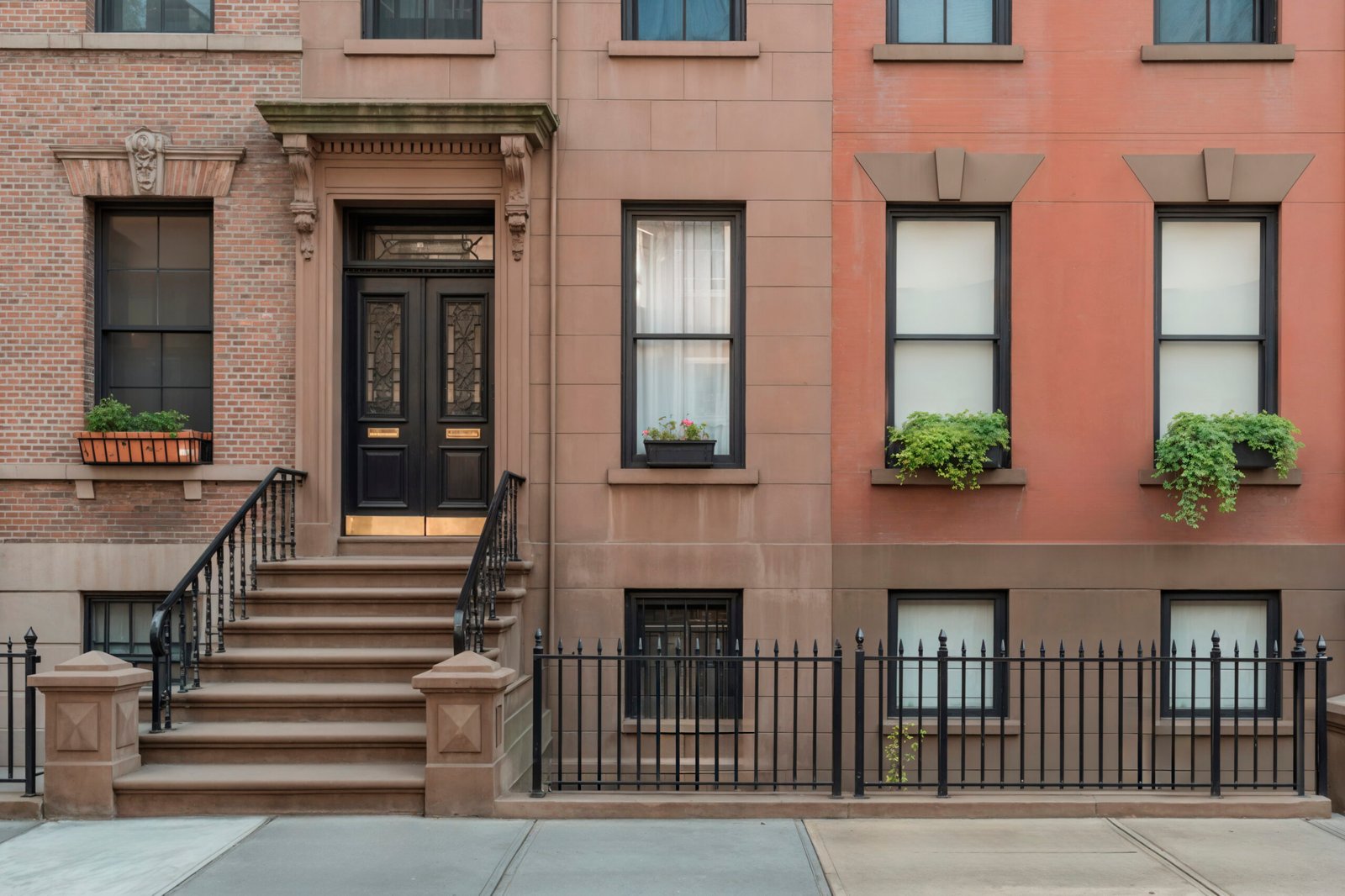
New York City’s historic brownstones are much more than just residential buildings. They are architectural treasures that define the visual heritage of the city. However the soft sandstone composition that gives them their iconic look also makes them incredibly susceptible to environmental wear and structural fatigue. This guide explores the critical indicators that your property requires urgent professional intervention. These signs range from surface spalling and deep structural cracks to water infiltration foundation shifts and deteriorating stoops. Recognizing these early warning signs is essential for every homeowner to prevent catastrophic failures and ensure public safety while avoiding the exorbitant costs associated with neglected historic masonry.
Why Brownstones in New York Deteriorate Over Time
The primary adversary of New York City brownstones is the local climate itself. Intense weather exposure and freeze thaw cycles allow moisture to penetrate the porous sandstone. When this water freezes it expands with incredible force causing the stone to rupture from within. Furthermore the relentless pollution and moisture effect found in an urban environment chemically weakens the stone surface over time. Because these buildings often feature old construction materials and a lack of consistent upkeep they become increasingly fragile as the decades pass. Understanding these historic brownstone repair indicators is the first step in preserving the structural legacy of these iconic homes.
Early Warning Signs Your Brownstone Needs Repair
Homeowners must learn to distinguish between visible and hidden damage. Often a stone surface may appear intact to the naked eye yet a simple tap test by a professional reveals a hollow sound. This indicates that the face of the stone has detached from the backup masonry. In the context of brownstone damage warning signs NYC even minor hairline fractures or subtle changes in stone texture can signal deep seated moisture issues. When a minor issue is ignored it can rapidly escalate into a full scale emergency that threatens the entire building envelope.
Structural Repair Indicators You Should Never Ignore
Not all cracks are created equal and it is vital to understand the difference between hairline and structural cracks. While hairline cracks might be cosmetic or related to minor expansion any fissure wider than a quarter inch or those running diagonally are significant brownstone structural repair indicators. These often stem from settlement and load issues or shifting soil which can compromise the entire building stability if not professionally braced or repaired.
Another critical concern is the appearance of bowing or leaning walls. If a facade wall appears to be bulging or leaning outward it is a sign that the exterior masonry is pulling away from the floor joists or the internal structure. This structural instability is a major NYC safety concern. A leaning wall is at high risk of partial or total collapse making it one of the most urgent signs that immediate intervention is required to stabilize the property and protect those nearby.
Brownstone Cracking and Spalling Signs
The decay process known as spalling occurs when water trapped behind the stone surface layers causes the face to flake off in sheets. Brownstone cracking and spalling signs usually begin as small patches but can quickly spread across the entire facade. If left untreated the protective outer layer of the stone is lost and this exposes the softer interior to even faster rates of erosion and permanent damage.
Finding fragments of stone on the sidewalk is a critical red flag that should never be ignored. This creates immediate pedestrian safety risks and places the owner at a high risk for NYC violations and heavy fines from the Department of Buildings. Falling debris is the most visible sign that the facade bond has failed and that the building has become a public hazard.
Brownstone Facade Repair Signs
Brownstone masonry deterioration symptoms often manifest as the melting of ornate carvings and cornices. During a visual inspection if the stone feels sandy or sugary to the touch it means the natural binders in the sandstone have dissolved. This erosion not only destroys the building aesthetic value but also creates pathways for water to saturate the masonry core.
Gaps appearing between the large blocks of stone indicate that the mortar has washed away or the stones themselves are shifting. This is a clear structural weakening signal as the stones are no longer properly supported or sealed against the elements. These gaps allow the wind and rain to enter the building skin leading to further internal decay that is much harder to fix later on.
Brownstone Water Damage Signs
The danger of hidden leaks often manifests inside the home before the exterior damage looks severe. If you notice yellow or brown stains on your interior plaster or bubbling paint these are classic brownstone water damage signs. This indicates that water is successfully migrating through the exterior stone and into your living space where it can cause wood rot and weaken the floor joists.
The appearance of a white powdery substance on the walls known as efflorescence is caused by salt deposits left behind as moisture evaporates. This moisture movement is often accompanied by mold growth. Mold not only damages the building materials but also poses significant indoor air quality concerns. This affects the health of the residents and makes the living environment uncomfortable.
Brownstone Foundation Problem Signs
If you notice that your floors are no longer level or that doors and windows are suddenly sticking in their frames you are likely facing foundation settlement issues. These brownstone foundation problem signs suggest that the building footprint is shifting which can lead to catastrophic structural failure if the underlying cause is not addressed by a specialist.
Furthermore cracks in the basement slab or walls especially when combined with persistent dampness represent long term structural risks. Foundation moisture can erode the very base upon which the brownstone sits. This leads to expensive and complex stabilization requirements that far exceed the cost of early preventive repairs.
Brownstone Stoop Damage Warning Signs
The stoop is a high traffic area that bears significant weight every single day. Due to load bearing issues steps may begin to crack or the entire stoop may begin to sink into the ground. These brownstone stoop damage warning signs are often the result of water undermining the foundation of the stairs. This leads to an uneven and dangerous entryway for guests and delivery personnel.
Wobbly iron railings and crumbling steps are major public safety and liability risks. If a visitor or passerby is injured due to a poorly maintained entryway the property owner is legally responsible. Ensuring the stoop is structurally sound is not just about curb appeal. It is a critical part of NYC property maintenance and liability management.
Signs Your Brownstone Needs Repointing
Mortar is designed to be the sacrificial element that protects the more expensive stones. Understanding old versus new mortar behavior is key as traditional lime based mortars eventually crumble and need replacement. If you see deep voids in the joints these are brownstone repointing needed signs that should be addressed before water enters the gaps and freezes.
When mortar joints fail the masonry bond failure allows water to seep directly behind the stone. This trapped water accelerates the freeze thaw damage and can cause the stone facade to detach from the building brick backup. This leads to extremely costly repairs that could have been avoided with simple maintenance.
Brownstone Safety Hazards and Professional Care
Owning a brownstone in New York City comes with specific legal obligations. Falling debris and structural collapse risks are taken very seriously by city inspectors. Beyond the physical dangers brownstone safety hazards in New York can lead to emergency work orders and significant financial penalties. Fulfilling property owner responsibilities through regular maintenance is the only way to avoid these hazards and protect your investment.
Generic contractors often lack the specialized knowledge required for sandstone which is why a professional inspection is so important. Experts check for stone soundness and the compatibility of new materials with the old historic stone. Preventive maintenance based on professional historic brownstone repair indicators can extend the life of your facade by decades.
Frequently Asked Questions
How often should I have my NYC brownstone inspected for damage?
It is recommended to perform a visual inspection yourself every spring and fall. However a professional inspection should be conducted every three to five years to catch hidden issues like internal stone decay or mounting structural stress before they become expensive emergencies.
What is the difference between spalling and simple cracking?
Cracking usually refers to a split through the stone block often due to structural shifting. Spalling is when the surface of the stone begins to peel flake or chip off in layers typically caused by water getting trapped inside the stone and freezing.
Is it possible to repair just one section of a brownstone facade?
Yes targeted repairs like spot repointing or patching specific spalled areas are common. However it is essential that the new materials match the original stone breathability and color to prevent further damage and maintain the building historic value.
Why is my brownstone stoop sinking?
A sinking stoop is usually caused by poor soil compaction or water drainage issues that have washed away the support beneath the steps. Because stoops are incredibly heavy any weakness in the foundation can lead to significant shifting and safety hazards.
How much does a typical brownstone repair cost in NYC?
Costs vary wildly depending on the severity of the damage. Minor repointing may cost a few thousand dollars while a full facade restoration can run into the six figure range. This is why early detection of repair indicators is so critical for your budget.
Conclusion
Addressing a problem early is always more cost effective than waiting for a total failure. A simple repointing job today can prevent a total facade replacement costing hundreds of thousands of dollars tomorrow. Furthermore timely repairs ensure property value protection and provide legal and compliance benefits. This keeps your property clear of Department of Building violations and avoids the stresses of emergency work orders.
Ultimately the durability of your brownstone depends entirely on your vigilance as an owner. By performing a quick recap of the major signs such as spalling structural cracks and water infiltration you can take the timely action necessary to preserve your home. Prioritizing safety durability and peace of mind today will ensure that your historic New York brownstone remains a beautiful and secure residence for generations to come.