Failing mortar is the most common reason a brownstone starts taking on water. Here is how to read your joints, why the mortar mix decides everything, and what proper repointing actually involves.
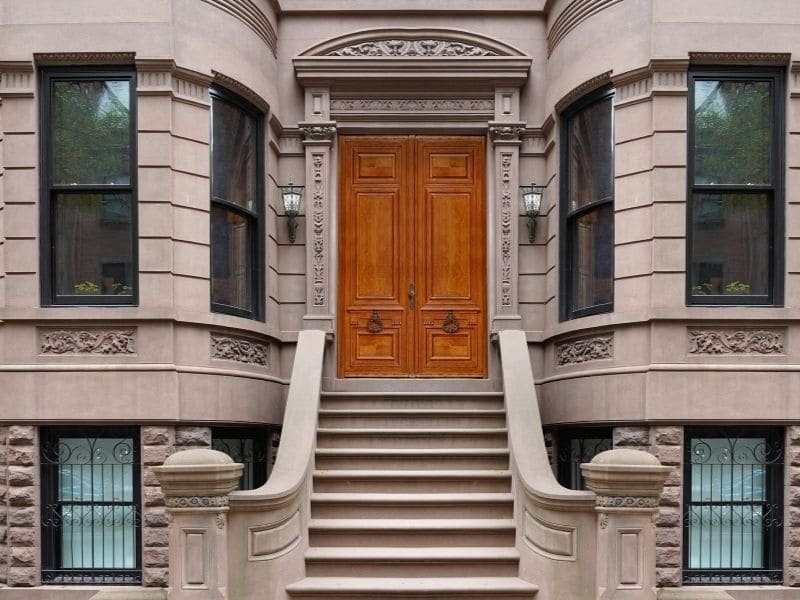
Brownstone needs repointing when the mortar between the stones turns soft, powdery or recessed, or when joints open up and let water into the wall. On most NYC brownstones that happens every 25 to 30 years, sooner on weather facing walls and parapets. Waiting turns a mortar job into a stone job.
No ladder required. Stand close to the wall and read the joints, especially near the ground, under windows and along the parapet.
The clearest sign of all. Healthy mortar resists a key or a screwdriver tip instead of turning to sand.
Stone edges stand proud and shadow lines appear along the wall where the joint has washed back.
Stair step cracking that runs along mortar lines rather than through the face of the stone.
Salts carried out of the wall by moving water. It means water is already inside the masonry.
Patches on top floor ceilings or on the interior face of an exterior wall, usually a day after heavy rain.
Moss or seedlings only take hold where a joint is permanently holding moisture and debris.
One or two of these mean it is time for an inspection. Several at once usually means the wall is already taking on water.
This single decision is the reason many repair jobs fail within a few years, and why so much Brooklyn stone is flaking.
Brownstone is a soft, porous sandstone. It absorbs moisture and it needs to release that moisture back out again. Historic walls were built with soft, lime based mortar for exactly that reason: the mortar stays weaker than the stone, takes the movement, and lets water evaporate through the joints.
Modern Portland cement mortar is much harder and far less breathable. Put it into a brownstone wall and moisture can no longer escape through the joint, so it exits through the face of the stone instead. That is what causes spalling, the flaking sheets of stone you see across Park Slope, Bed Stuy and Harlem.
So a repointing job is only as good as the mix. Anyone quoting a brownstone facade without discussing the mortar is not doing preservation work.
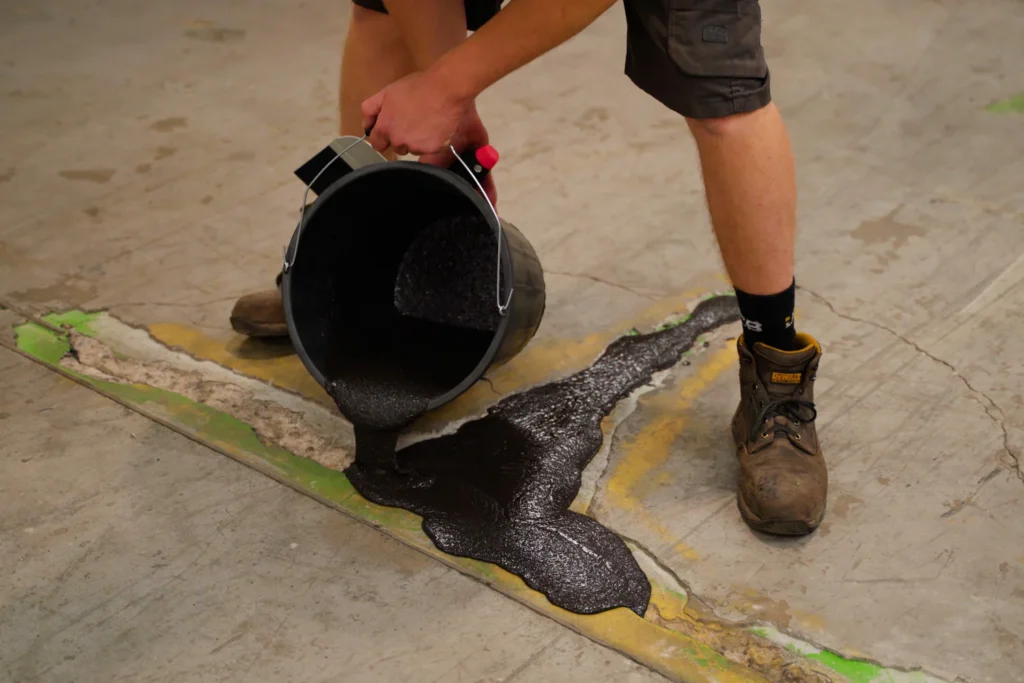
Proper repointing is slow, quiet work. This is the sequence a serious crew follows on a brownstone.
The wall is read joint by joint and the existing mortar is matched for softness, colour, sand and profile before anything is cut.
Failed mortar is cut back to sound material, usually two to three times the joint width, by hand where the stone is fragile.
Dust and loose material are cleared and the joint is dampened so new mortar cures properly instead of drying out too fast.
The mix is pressed in as thin layers rather than one thick pass, so no voids are left hiding behind the surface.
The joint is finished to the original profile, flush, concave or a fine ruled line, so the repair disappears into the wall.
The work is kept damp while it cures, then the stone face is cleaned without blasting or harsh acids.
That full process is what our brownstone tuckpointing and repointing service covers, across Brooklyn, Manhattan, Queens and the Bronx.
Three words that get used interchangeably on estimates, and only one of them usually describes the work you need.
Pointing is finishing the joints on new masonry. Repointing is removing failed mortar from an existing wall and replacing it. Tuckpointing is a finishing technique that uses two mortar colours to create the look of very fine joints.
On most NYC brownstone work, what you actually need is repointing, even when the estimate says tuckpointing. What matters is not the word on the quote. It is how deep the old joint gets cut and what mix goes back in.
Four things move the number far more than the mortar itself.
A ground floor rear wall is straightforward. A five storey street facade needs scaffolding, sidewalk protection and permits.
Repointing only failed sections costs less but ages unevenly. A full elevation costs more and leaves one consistent wall.
Deep voids, old cement repairs and spalled stone all add work. A real survey beats a phone quote every time.
Historic district work needs approved materials and methods, plus paperwork time before the crew ever sets up.
Anyone giving a firm price for a brownstone facade without seeing it is guessing. Ask for a written scope instead: which elevations, how deep the cut, what mix, and what happens if spalled stone turns up behind the joint.
Mortar needs mild, damp curing conditions, which shortens the working season in New York.
Spring through early fall is the working window here, and most masonry work stops as temperatures head toward freezing, because mortar that freezes before it cures never reaches full strength.
Best time to book. Winter damage is visible, and the wall has the whole warm season to cure and settle.
The practical window if you want joints closed before the first freeze arrives.
Temporary protection now, proper repointing in spring. Rushing a mix into a cold wall wastes the money.
Approval first, then mortar. The rules shape the mix, the profile and the timeline.
Large parts of Park Slope, Brooklyn Heights, Bedford Stuyvesant, Harlem and the Upper West Side sit inside designated historic districts. Exterior masonry work on those buildings needs Landmarks Preservation Commission approval before it starts, and the mortar mix, joint profile and tooling all have to match what is already on the building.
It is not a reason to avoid the work. It only means the paperwork starts earlier and the crew has to know historic detailing. We handle that filing as part of the job, alongside facade repair and waterproofing and restoration when a wall needs more than joints.
Where we repoint, including Brooklyn brownstone renovation and repair:
Open, crumbling or washed back joints only get more expensive. We survey the wall, match the original mortar and give you a written scope before any cutting starts.
Repointing & Tuckpointing