
New York City’s architectural landscape is defined by its historic brownstones, cast-iron lofts, and ornate masonry buildings. However, the external features of these structures: specifically cornices, lintels, and sills: are constantly battling the city’s harsh climate and urban pollution. This comprehensive guide explores the intricate process of cornice, lintel and sill restoration NYC, covering everything from the identification of material failure like spalling and rust bursting to the specialized repair methods required by the Landmarks Preservation Commission (LPC). We delve into the structural importance of lintels, the aesthetic preservation of decorative cornices, and the critical role of window sills in water shedding. By understanding the inspection protocols, cost factors, and the necessity of hiring specialized masonry restoration NYC experts, building owners can ensure their properties remain safe, compliant with Department of Buildings (DOB) regulations, and historically preserved for decades to come.
Introduction: Why Cornices, Lintels & Sills Matter in NYC
The architectural grandeur of New York City lies in its historic facades, featuring everything from intricate Victorian cornices to sturdy brownstone lintels. These elements are not merely decorative; they serve as the building’s primary defense against the elements. Unfortunately, neglecting these features leads to significant risks, including water ingress that can rot internal timber frames and the dangerous phenomenon of falling masonry. In a city where pedestrian traffic is dense, a cracked sill or a loose cornice piece can lead to severe safety liabilities and costly landmark violations. This article provides a deep dive into historic building restoration NYC and explains why professional facade restoration services NYC are essential for maintaining both the value and safety of your property.
What Are Cornices, Lintels and Window Sills? (Definitions & Materials)
To understand restoration, one must first identify the components. A cornice is the decorative molding that crowns the top of a building, often made from cast iron, terra cotta, or even painted wood in older NYC structures. A lintel is the horizontal structural member that spans the top of a window or door opening, bearing the weight of the masonry above it. Sills are the ledges at the bottom of window openings designed to direct rainwater away from the facade. These components are crafted from various materials like natural brownstone, limestone, cast stone, and concrete. In the unique NYC climate, these materials age differently; for example, cast iron cornice repair focuses on oxidation control, while stone lintel repair or concrete window sill repair often addresses the internal expansion caused by the freeze-thaw cycle. Successful brownstone restoration NYC requires a deep understanding of how these porous materials breathe and react to urban pollutants.
Typical Problems & Failure Modes
The most common issues affecting NYC buildings stem from moisture and age. Cracking and spalling occur when water enters the pores of stone or concrete, freezes, and expands, eventually forcing the outer layer of the material to flake off. In the case of metal features, rusting (or “rust bursting”) of internal steel anchors can exert enough pressure to crack the surrounding masonry from the inside out. Furthermore, mortar loss in the joints around lintels and sills allows water to seep into the building’s core, leading to internal rot and mold. These aren’t just cosmetic issues; deteriorated window sill repair and cracked lintel repair are critical for public safety. If these “failure modes” are ignored, the Department of Buildings may issue unsafe designations, requiring immediate and expensive water damage masonry repair.
Inspection & Assessment: How Professionals Evaluate Facades
Before any physical work begins, a professional facade inspection NYC is mandatory. This process typically starts with a visual survey from the ground, followed by a close-range inspection using scaffolds or industrial rope access. Professionals perform “sounding” tests by tapping the masonry with a hammer to detect hollow spots that indicate internal separation. They also conduct moisture probes and finish analysis to determine the original color and composition of the materials. For buildings in historic districts, this stage includes coordinating with the Landmarks Preservation Commission (LPC) to ensure that the proposed landmark building restoration NYC plan adheres to preservation standards. Early detection through preventive masonry restoration can identify structural issues before they become life-safety hazards.
Restoration Methods: Cornices
The process of cornice restoration NYC varies significantly depending on the material. For decorative metal cornices, the restoration involves stripping decades of old lead paint, treating the underlying metal for rust, and applying high-performance primers. If the ornamentation is missing, craftsmen may create molds to cast replica pieces. For masonry or terra cotta cornices, the focus is on stabilizing the attachment points and using specialized patching compounds to repair aesthetic details. Every effort is made to conserve the original material, but when the internal support structure is compromised, workers must reinforce the area with stainless steel armatures. This detailed cornice repair process ensures the crown of the building remains secure and beautiful.
Restoration Methods: Lintels
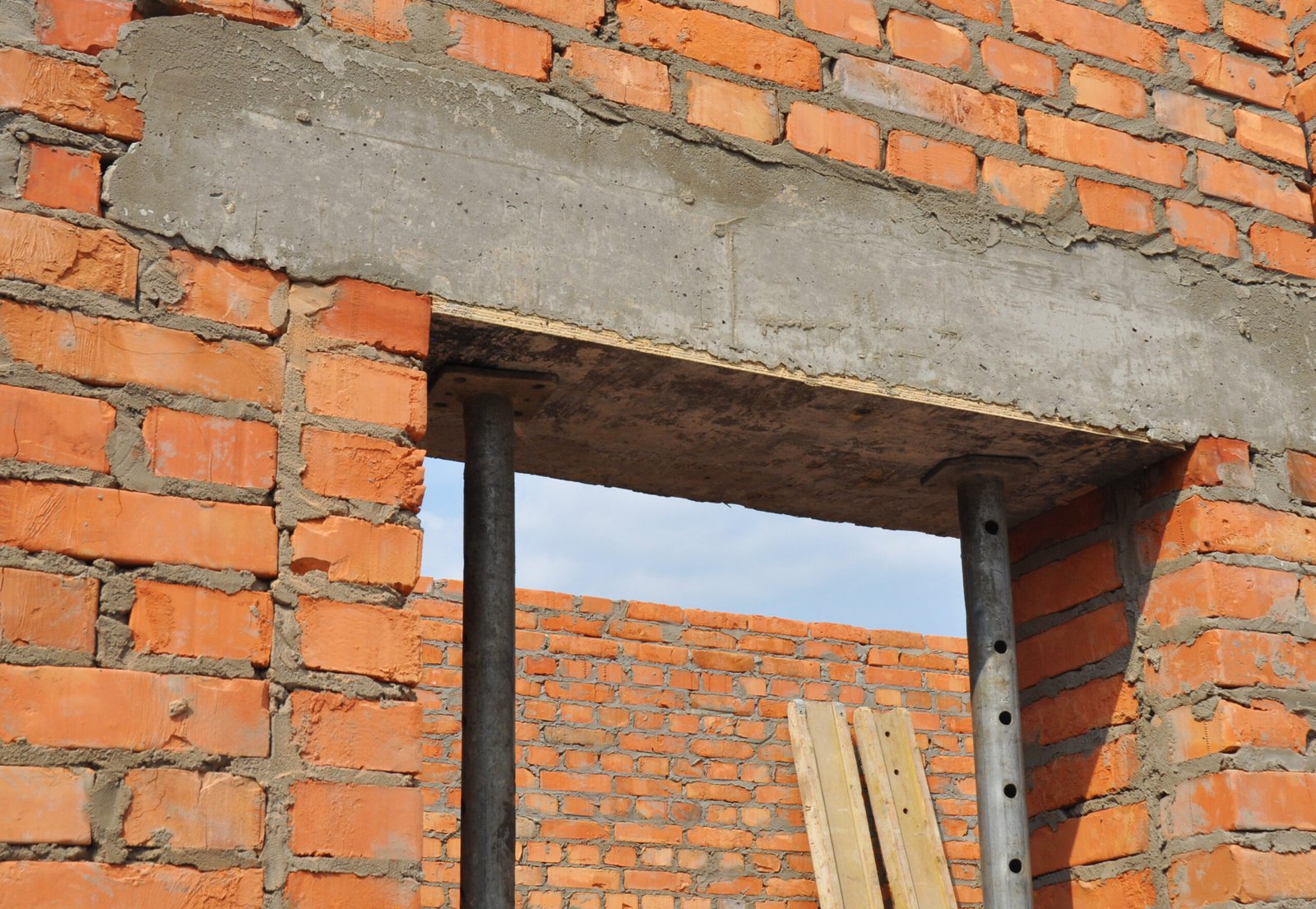
Lintels are the workhorses of the facade, and their restoration is often a structural necessity. When a lintel shows signs of deep cracking or sagging, it may require “shoring”: the installation of temporary supports: while the repair is performed. Common lintel restoration NYC techniques include the installation of steel splice plates or the complete replacement of a rusted steel lintel with a new, galvanized version equipped with proper flashing. For stone lintels, masons often use “Jahn” mortar or similar breathable compounds to perform stone lintel repair, ensuring the patch matches the original stone’s texture and color. These structural masonry repairs are vital for preventing the collapse of the masonry layers above window openings.
Restoration Methods: Window Sills
Window sills are the first line of defense against water penetration at the window base. Window sill restoration NYC often involves correcting the “pitch” or slope of the sill to ensure water runs away from the building rather than pooling against the window frame. For concrete window sill repair, masons remove the deteriorated sections, treat any exposed rebar with anti-corrosion coatings, and pour new high-strength concrete. A critical detail in this process is the “drip groove”: a small channel cut into the underside of the sill that prevents water from traveling back toward the wall. Properly installed flashing and sealants during deteriorated window sill repair are essential for long-term waterproofing.
Materials, Matching & Historic Preservation Considerations
In a city as old as New York, one size fits all materials do not work. Historic building restoration NYC requires a scientific approach to material matching. Whether it is matching the specific grit and color of 19th-century brownstone or the glaze of terra cotta, contractors must use “like-for-like” materials to satisfy landmark building restoration NYC requirements. Using modern, non-breathable Portland cement on historic brownstone is a common mistake that leads to further damage. Instead, restorers use lime-based mortars and specialized stone-patching products that allow moisture to escape, ensuring the longevity of the brownstone restoration NYC project.
Costs, Timelines & Permits
Navigating the financial and bureaucratic side of NYC building restoration services requires careful planning. Costs can range from a few thousand dollars for localized masonry restoration NYC to hundreds of thousands for full facade overhauls. The timeline is dictated not just by the work itself, but by the time required for DOB and LPC permit approvals, which can take several months. A typical project lifecycle includes the initial inspection, design and filing, scaffolding assembly, the actual restoration, and finally, the cleanup and sign-off. It is highly recommended to get multiple bids and ensure your contractor has a clear understanding of the permitting landscape in New York.
Choosing a Contractor: What to Ask & Red Flags
Selecting the right partner for building facade maintenance NYC is the most important decision an owner can make. You should ask for a detailed portfolio of previous cornice, lintel and sill restoration NYC projects and verify that the contractor carries “Action Over” insurance, which is specific to New York’s labor laws. Red flags include contractors who offer significantly lower bids than others: which often indicates they aren’t pulling permits: or those who suggest using “waterproofing” paints that trap moisture. Reliable masonry repair contractors NYC will always provide a written scope of work and references from previous landmark-compliant projects.
Preventive Maintenance & Long-Term Care
The most cost-effective way to manage a building is through preventive masonry restoration. This includes annual inspections to clear gutters, checking for small cracks in the sills, and ensuring that the paint on metal cornices is not peeling. By addressing minor issues during routine facade maintenance NYC, building owners can avoid the massive capital expenditures associated with emergency structural repairs. Simple actions, like replacing a failed sealant joint or repointing a small area of a lintel, can extend the life of the facade by decades.
Conclusion
The restoration of cornices, lintels, and sills is vital for preserving New York City’s architectural beauty and ensuring public safety. Timely facade restoration services NYC not only protect the public but also preserve the financial and historical value of the property. If you notice cracks, peeling paint, or water stains around your windows, do not wait for the damage to escalate. Contact a specialist in cornice, lintel and sill restoration NYC today to schedule a professional assessment and keep your piece of New York history standing strong.
Frequently Asked Questions (FAQs)
1. How do I know if my building is considered a “Landmark” in NYC?
You can check your building’s status by using the NYC Landmarks Preservation Commission (LPC) interactive map or the Department of Buildings (DOB) BIS system. If your building is landmarked or located within a Historic District, any cornice restoration NYC or masonry work must be approved by the LPC before work begins.
2. What is the average cost of lintel and sill repair in NYC?
Costs vary significantly based on the material (brownstone vs. limestone) and the extent of the damage. Minor repairs might cost between $2,000 and $5,000, while complete replacement of structural lintels on a larger facade can exceed $20,000 to $50,000. It is best to get a professional facade inspection NYC for an accurate quote.
3. Why is my brownstone sill crumbling or “spalling”?
Spalling is usually caused by the freeze-thaw cycle. Water enters the pores of the stone, freezes, and expands, forcing the face of the stone to break off. This is often worsened by the use of improper, non-breathable sealants or cement-based patches that trap moisture inside.
4. Do I need a permit for cornice or window sill repair?
Yes, most facade work in NYC requires a permit from the DOB. If the building is landmarked, you also need a Certificate of Appropriateness from the LPC. Simple repairs might only require a “minor work” permit, but structural lintel restoration NYC usually requires a more detailed filing.
5. How often should I perform building facade maintenance in NYC?
It is recommended to have a professional survey every 2 to 5 years. However, a quick visual check should be done annually, specifically looking for peeling paint on cornices, new cracks in lintels, or pooling water on window sills.